
Early Head Start Home-Based Option
Early Head Start Home-Based Option (EHS) provides individualized services to pregnant women, infants, and toddlers to promote the school readiness of young children from families with low incomes. The model is administered by the Office of Head Start in the U.S. Department of Health and Human Services’ Administration for Children and Families. EHS promotes the school readiness of children from birth to 3 years old by enhancing their cognitive, social, and emotional development.
What is the model’s approach to providing home visiting services?
Home visits take place weekly. Services are provided until the child is 3 years old. There are no age requirements for when families should begin services.
The service population for EHS includes the following:
- Families with low incomes
- Caregivers under 21 years old
- Caregivers with limited access to education
- Children with developmental delays or disabilities
- Children with special health care needs
- Families with a history of substance use or in need of treatment
- Families with a history of child abuse or neglect/involvement with child welfare system
- Families experiencing homelessness
- Children in foster care
Who is implementing the model?
Home Visitors
EHS was implemented by 4,699 home visitors in 2025. The model requires a home-based Child Development Associate credential, comparable credential, or equivalent coursework as part of an associate’s or bachelor’s degree. Home visitors are required to maintain an average caseload of 10 to 12 families.
Supervisors
The model requires a bachelor’s or other advanced degree with coursework in early childhood education and early education experience for supervisors.
Where is the model implemented?
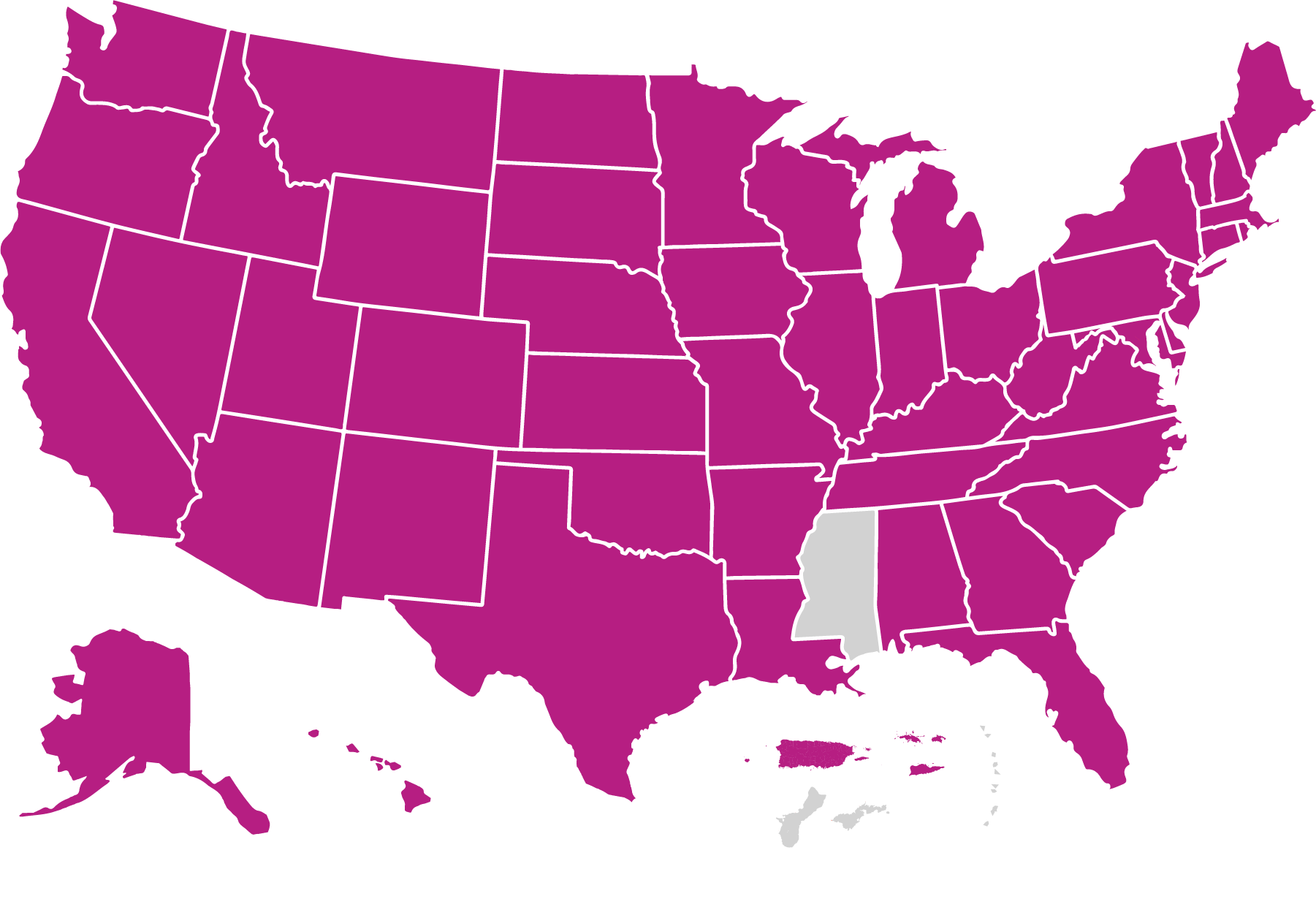
EHS operated in 757 local agencies across 49 states and the District of Columbia, Puerto Rico, and the U.S. Virgin Islands in 2025.
Families Served Through Evidence-Based Home Visiting in 2025


Race
3% American Indian Alaska Native
3% Asian
14% Black
1% Native Hawaiian Pacific Islander
61% White
13% Multiple
7% Another race
Ethnicity
30% Hispanic or Latino
70% Not Hispanic or Latino
Caregiver education
20% No HS diploma
50% HS diploma or GED
20% Some college or training
10% Bachelor's degree or higher
Child age
34% < 1 year
61% 1-2 years
5% 3 years
Child insurance status
91% Public
6% Other
3% None
Primary language
73% English
21% Spanish
6% Another language