
Maternal Early Childhood Sustained Home-Visiting
Maternal Early Childhood Sustained Home-Visiting (MECSH) aims to improve the health, development, and social well-being of families with new babies in need of additional sustained support. The model supports positive transitions to parenting, positive parenting skills, future-oriented and aspirational thinking, problem-solving skills, the ability to mobilize resources, and healthy relationships.
What is the model’s approach to providing home visiting services?
Home visits take place based on the child’s age. Families may receive a minimum of three prenatal visits. After the child’s birth, families receive visits weekly until the child is 6 weeks old, every 2 weeks until the child is 12 weeks old, every 3 weeks until the child is 6 months old, every 6 weeks until the child is 12 months old, and every 2 months until the child is 2 years old. MECSH recommends families initiate services prenatally, but allows families to enroll up to 8 weeks after the child is discharged from the hospital.
MECSH’s service population includes the following:
- Expectant caregivers
- Families with low incomes
- Caregivers who are unmarried or single
- Caregivers with limited access to education
- Families with a history of substance use or in need of treatment
- Families with a history of child abuse or neglect/involvement with child welfare system
- Families experiencing mental health concerns, including maternal depression and anxiety
Who is implementing the model?
Home Visitors
MECSH was implemented by 329 home visitors in 2025. The model requires a bachelor’s degree in nursing for home visitors. Home visitors are required to maintain a caseload of 20 to 30 families.
Supervisors
MECSH was implemented by 83 supervisors in 2025. The model requires a bachelor’s degree in nursing for supervisors.
Where is the model implemented?
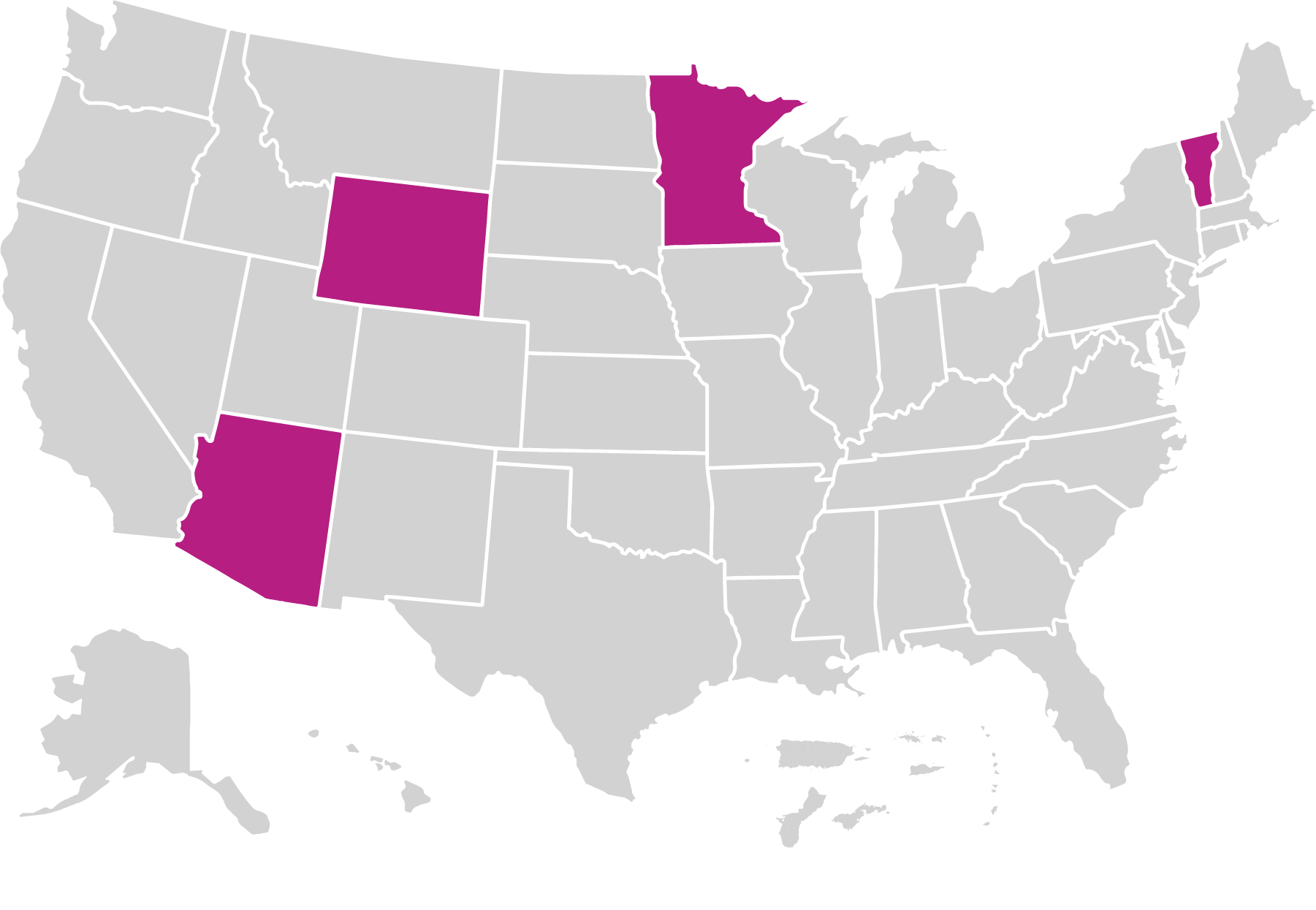
MECSH operated in 77 local agencies across 4 states in 2025. MECSH also operated outside the United States and its territories in Australia, the Channel Islands, England, and South Korea in 2025.
Families Served Through Evidence-Based Home Visiting in 2025



Race
3% American Indian Alaska Native
6% Asian
14% Black
<1% Native Hawaiian Pacific Islander
64% White
4% Multiple
8% Another race
Ethnicity
32% Hispanic or Latino
68% Not Hispanic or Latino
Caregiver age
13% ≤21 years
43% 22-29 years
43% 30-44 years
<1% ≥45 years
Caregiver education
20% No HS diploma
41% HS diploma or GED
24% Some college or training
15% Bachelor's degree or higher
Household income
59% Low-income status
41% Not low-income status
Primary language
70% English
22% Spanish
9% Another language
Child age
48% <1 year
52% 1-2 years
<1% 3-5 years
Child insurance status
73% Public
12% Private
15% None