
Welcome Baby
Welcome Baby is a voluntary, universal hospital and home-based intervention for families who are expecting or have recently given birth. Welcome Baby works with families to help them have healthy pregnancies and births, provide support during the postpartum period, maximize babies’ health and safety, build strong parent-child relationships, and facilitate access to support services when needed.
What is the model’s approach to providing home visiting services?
Welcome Baby provides a home visit before the 27th week of pregnancy, followed by a phone call check-in and a home visit after the 28th week of pregnancy. Families receive five home visits after their baby is born. A registered nurse makes the first visit 3 to 14 days postpartum. A parent coach then visits the family at 2 to 4 weeks, 2 months, 3 to 4 months, and 9 months postpartum. Services are provided until the child is 9 months old. Welcome Baby recommends families initiate services prenatally if their location permits, or at the time of birth in a participating hospital.
Welcome Baby serves all families with young children. Some local programs have specific eligibility requirements.
Who is implementing the model?
Home Visitors
Welcome Baby was implemented by 83 home visitors in 2025. The model requires at least a bachelor’s degree for home visitors. The maximum caseload requirement for home visitors is 100 families.
Supervisors
Welcome Baby was implemented by 28 supervisors in 2025. The model recommends at least a bachelor’s degree for supervisors.
Where is the model implemented?
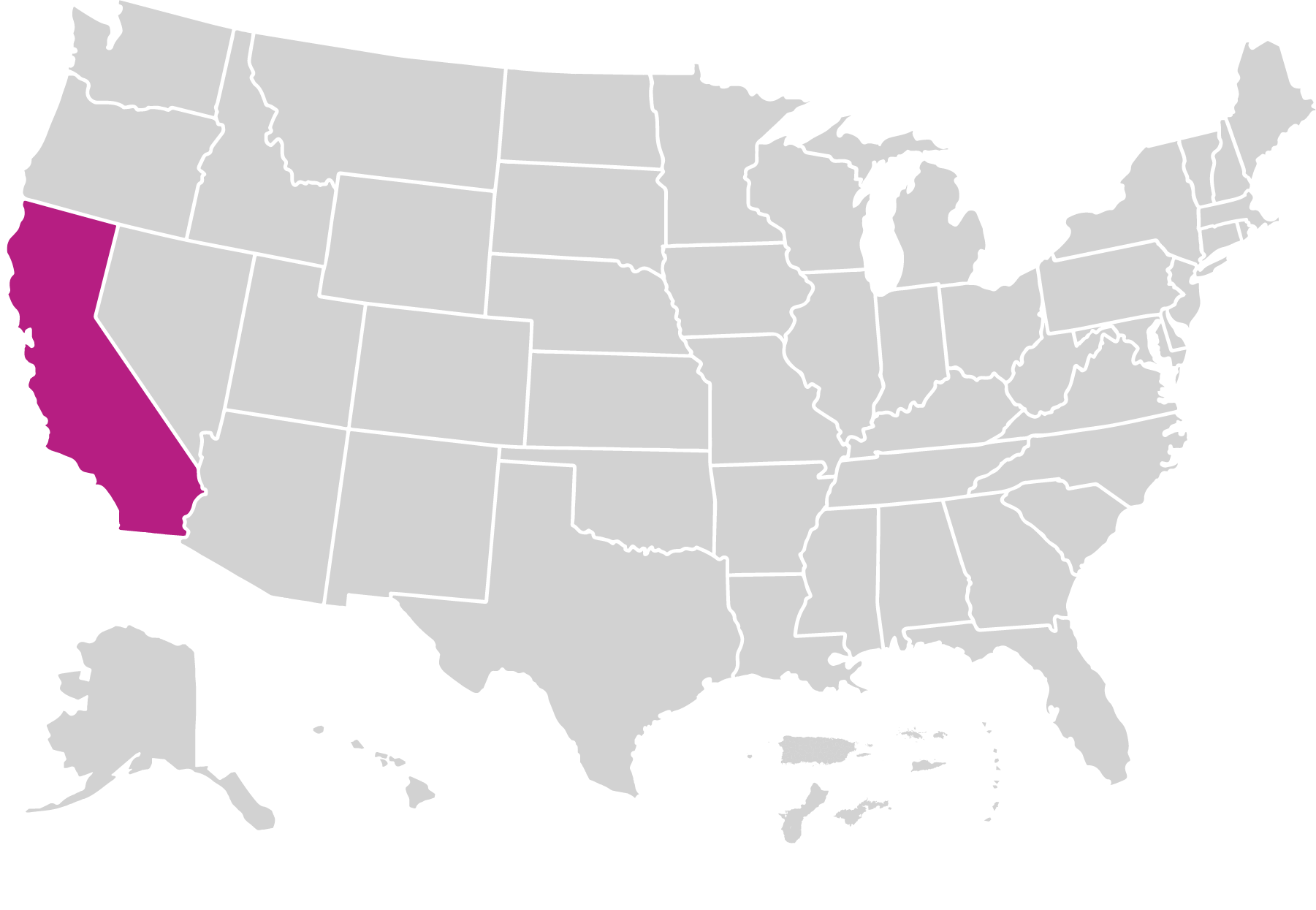
Welcome Baby operated in 14 local agencies in 1 state in 2025.
Families Served Through Home Visiting in 2025



Race
<1% American Indian Alaska Native
4% Asian
8% Black
<1% Native Hawaiian Pacific Islander
4% White
3% Multiple
80% Another race
Ethnicity
79% Hispanic or Latino
21% Not Hispanic or Latino
Primary language
66% English
33% Spanish
1% Another language
Caregiver age
9% ≤21 years
40% 22-29 years
51% 30-44 years
<1% ≥45 years
Caregiver education
20% No HS diploma
39% HS diploma or GED
24% Some college or training
17% Bachelor's degree or higher
Household income
90% Low-income status
10% Not low-income status
Child age
100% <1 year
0% 1-2 years
0% 3-5 years
Child insurance status
82% Public
17% Private
<1% None