
Following Baby Back Home
Following Baby Back Home provides education and case management services for infants discharged from the neonatal intensive care unit (NICU) and their families. Home visiting services are provided by a registered nurse and licensed social work team for children 0 to 3 years old. Home visitors educate caregivers on the importance of attending medical appointments and maintaining their child’s immunizations to reduce preventable re-hospitalizations and emergency room visits. Services are provided to help enrolled families identify resources to meet their needs in providing a safe, nurturing home for their baby.
What is the model’s approach to providing home visiting services?
Families enroll upon discharge from the NICU. They receive home visits twice per month for the first 2 months, followed by monthly visits until the child is 1 year old. Families then receive home visits every other month, with a phone call between visits, until the child is 3 years old.
Following Baby Back Home’s service population includes the following:
- Families with infants who have had a NICU stay
- Children with developmental delays or disabilities
- Children with special health care needs
Who is implementing the model?
Home Visitors
Following Baby Back Home was implemented by 12 full-time equivalent (FTE) home visitors in 2025. Registered nurses must have at least an associate’s degree in nursing and a current nursing license. Social workers must have at least a bachelor’s degree and a current social work license; a master’s degree is preferred. The maximum caseload requirement for home visitors is 45 families.
Supervisors
Following Baby Back Home was implemented by 1 FTE supervisors in 2025. The model requires at least a bachelor’s degree for supervisors.
Where is the model implemented?
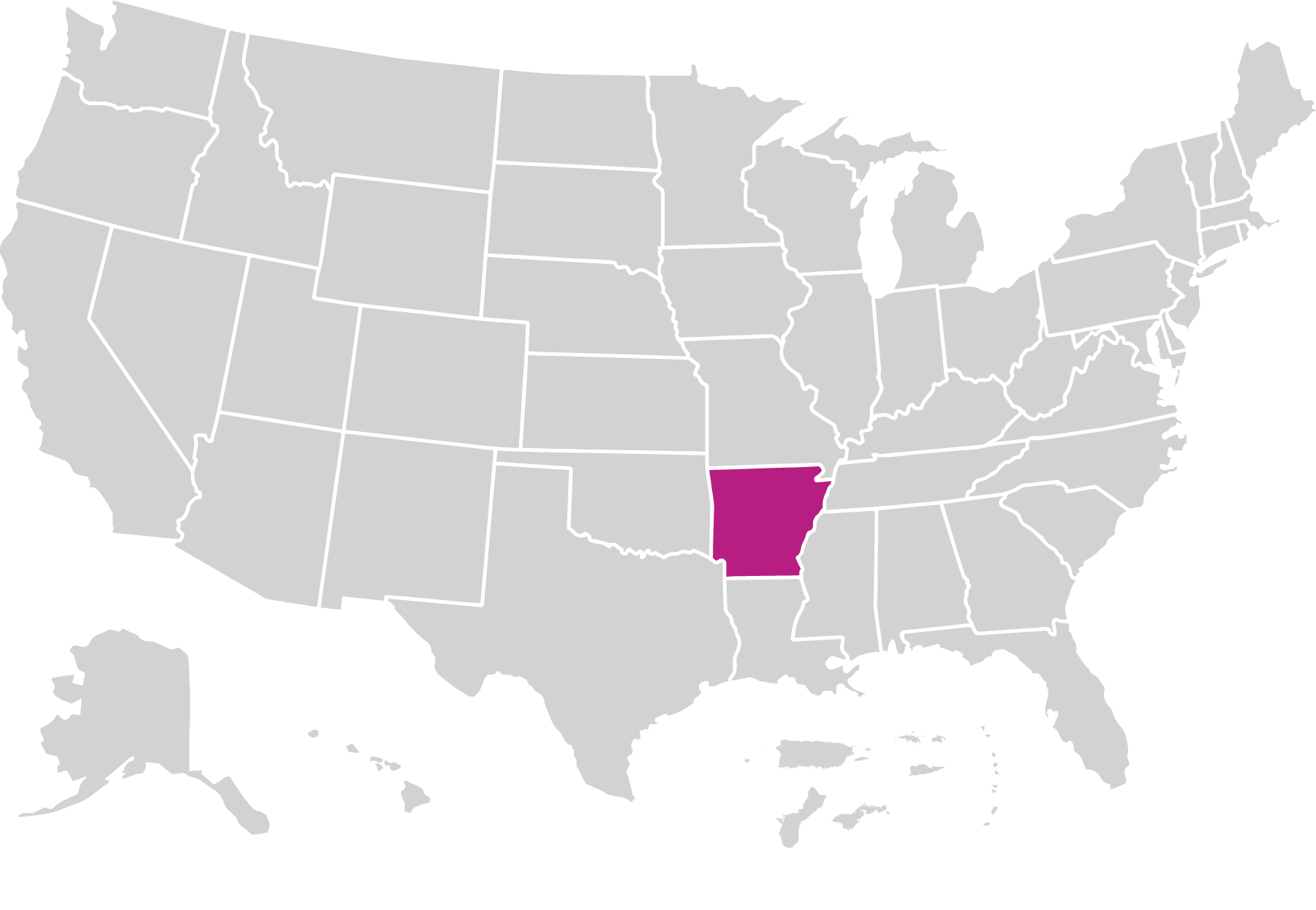
Following Baby Back Home operated in 1 local agency in 1 state in 2025.
Families Served Through Home Visiting in 2025



Race
* American Indian Alaska Native
* Asian
33% Black
* Native Hawaiian Pacific Islander
62% White
* Multiple
0% Another race
Ethnicity
13% Hispanic or Latino
87% Not Hispanic or Latino
Child age
26% <1 year
73% 1-2 years
<1% 3-5 years
Child insurance status
87% Public
13% Private
0% None
Primary language
85% English
12% Spanish
2% Another language
Household income
87% Low-income status
13% Not low-income status