
AVANCE Parent Child Education Program
AVANCE Parent Child Education Program (PCEP) teaches caregivers how to become their child’s first teacher and ensure that the home is the first classroom. PCEP’s main components are caregiver education, socialization through toy making, home visits, and community engagement and advocacy. Home visitors work with caregivers to enhance their parenting skills, build their knowledge of child development, reinforce parent-child interaction through play, and develop networks of support within their cohort and community.
What is the model’s approach to providing home visiting services?
Home visits take place monthly for 9 months as part of PCEP. Visits may occur more frequently based on families’ needs. Families may enroll in PCEP prenatally through the child’s fourth birthday.
PCEP provides services to families in underserved communities with children up to 4
years old.
Who is implementing the model?
Home Visitors
PCEP was implemented by 30 full-time equivalent (FTE) home visitors in 2025. The
model requires home visitors to have a high school diploma or equivalent; a bachelor’s
degree and fluency in families’ home language is recommended. PCEP also recommends that home visitors have experience in home visiting, early education, child health and/or development, working with parents of young children, and working in diverse, low-income communities.
Supervisors
PCEP was implemented by 16 supervisors in 2025. The model requires supervisors
to have a high school diploma or equivalent; a bachelor’s or master’s degree is
recommended. Supervisors must have experience in early education, home visiting, and child health and/or development. Experience supervising staff and working with children and families is recommended.
Where is the model implemented?
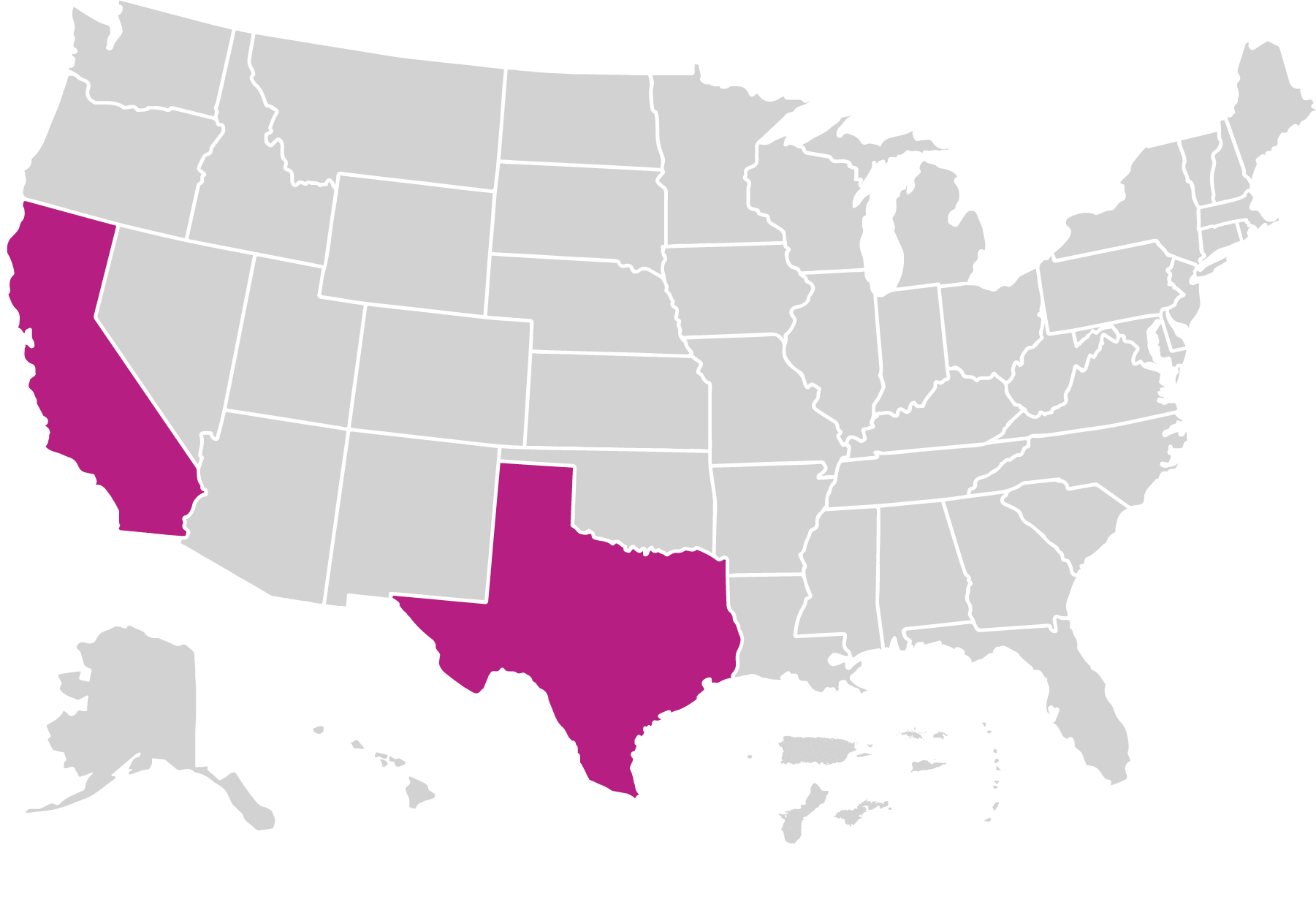
PCEP operated in 9 local agencies across 2 states in 2025.
Families Served Through Home Visiting in 2025



Race
2% American Indian Alaska Native
* Asian
<1% Black
* Native Hawaiian Pacific Islander
70% White
6% Multiple
21% Another race
Ethnicity
99% Hispanic or Latino
1% Not Hispanic or Latino
Caregiver age
4% ≤21 years
32% 22-29 years
57% 30-44 years
7% ≥45 years
Caregiver education
22% No HS diploma
46% HS diploma or GED
18% Some college or training
14% Bachelor's degree or higher
Household income
88% Low-income status
12% Not low-income status
Primary language
10% English
88% Spanish
2% Another language
Child insurance status
76% Public
11% Private
13% None
Child age
12% <1 year
52% 1-2 years
35% 3-5 years